Losing a pet leaves behind more than grief. It also creates small pockets of silence within the daily routines that once felt familiar—the sound of paws running to greet you, the space beside the bed where someone used to sleep, or a collar that remains exactly where it was left.
For some people, keeping all of their pet’s ashes in an urn feels like the most appropriate choice. Others may wish to keep a small part of that memory close in a form they can carry or wear every day.
Pet cremation jewelry has therefore become an increasingly meaningful memorial option. However, choosing this type of jewelry should involve more than appearance alone. It is also important to consider the materials, structural durability, method used to hold or incorporate the ashes, security of the closure, and credibility of the maker or service provider.
This article will help you understand how to choose pet cremation jewelry that best suits your memories, lifestyle, budget, and personal feelings.
What Is Pet Cremation Jewelry?
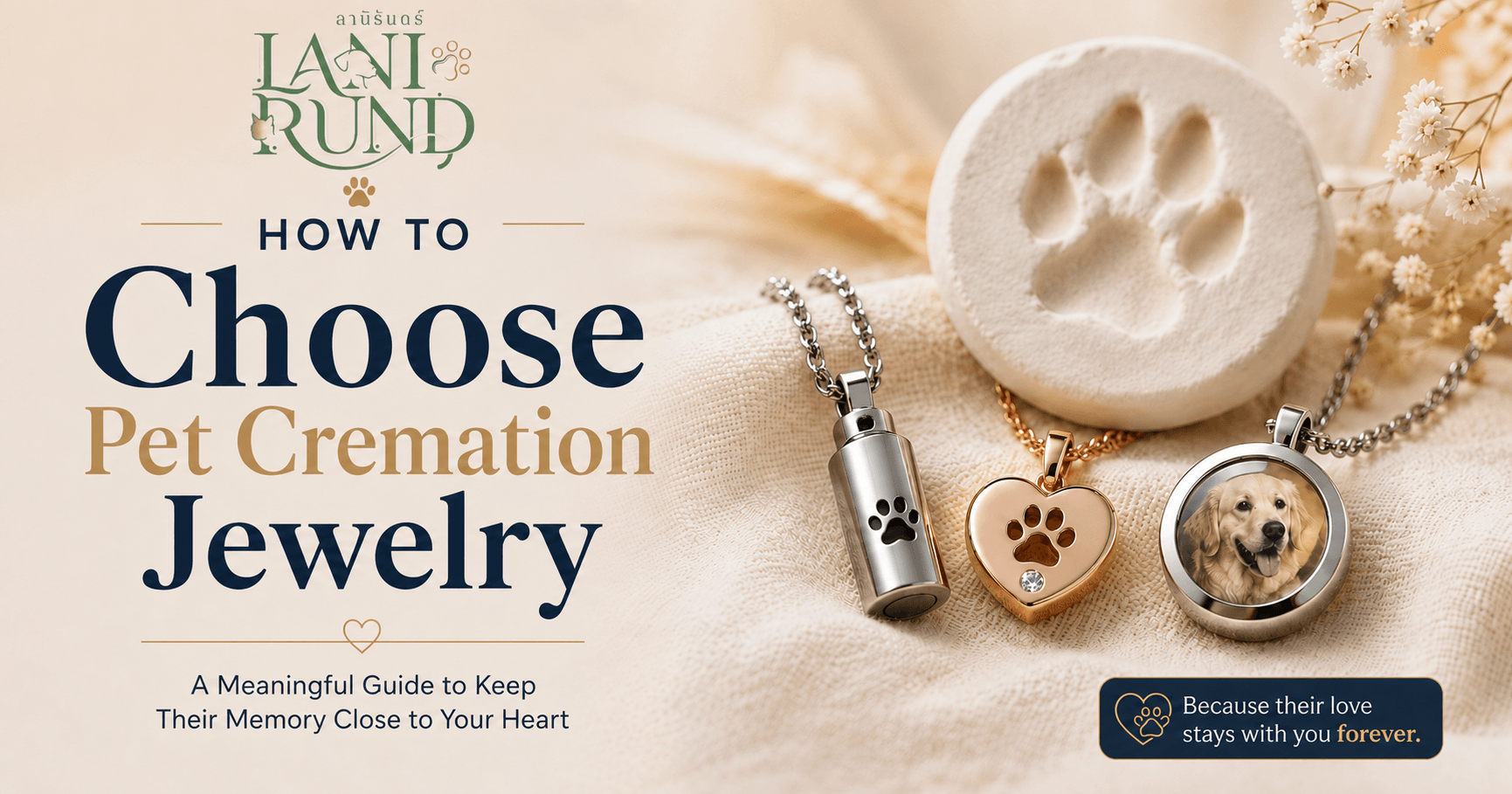
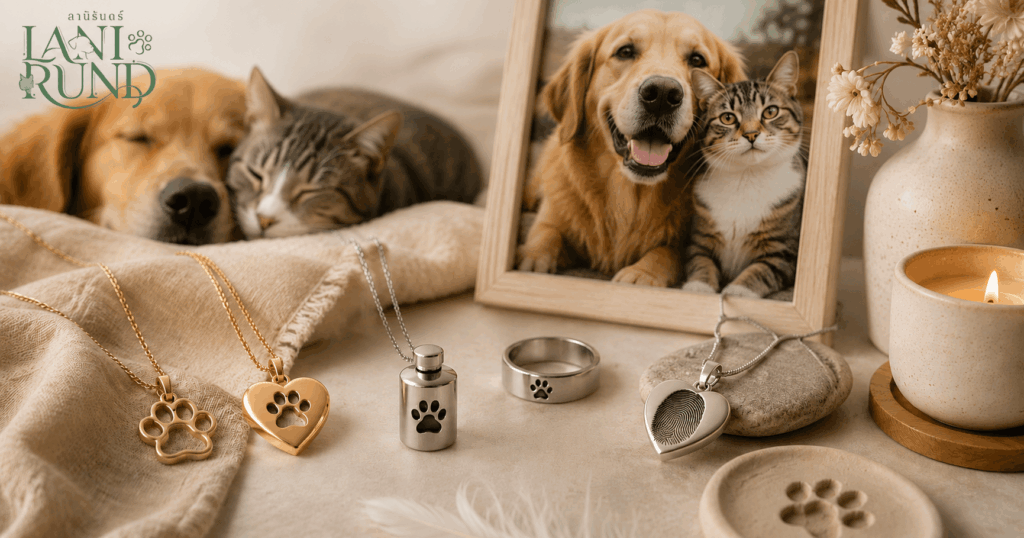
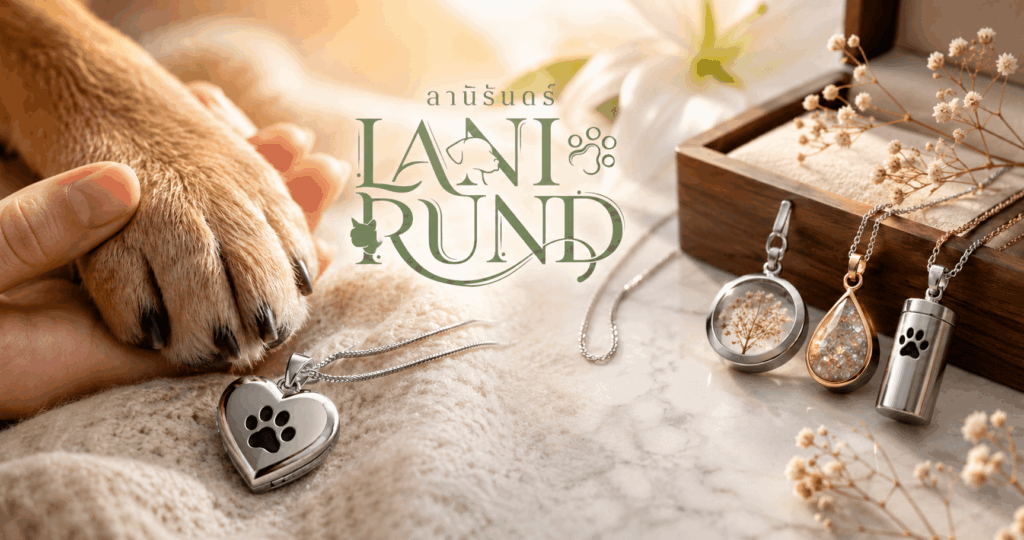
Pet cremation jewelry is memorial jewelry designed to hold a small amount of a pet’s ashes or incorporate them into the finished piece. It is commonly available in several forms, including:
- Necklaces and pendants
- Bracelets
- Rings
- Lockets
- Small charms
- Memorial keychains
Some pieces contain a small internal compartment that can hold ashes, fur, soil from a favorite location, or another tiny keepsake. Other pieces permanently incorporate the ashes into resin, glass, ceramic, or another decorative material.
The remaining ashes can still be stored in an urn, scattered in a meaningful location, or divided among family members as appropriate.
Cornell University College of Veterinary Medicine notes that memorial jewelry, urns, memorial stones, photo albums, and dedicated remembrance spaces can all be meaningful ways to honor a pet. The most important consideration is that the chosen memorial should feel appropriate for the individual owner, as something that comforts one person may not feel right for another.
Which Type of Pet Cremation Jewelry Best Suits Your Needs?
Before choosing a color, shape, or design, ask yourself what role you want the jewelry to serve.
Different types of pet cremation jewelry are created for different purposes. Some people want to wear the piece every day so they can continue to feel close to their pet. Others may prefer to keep it in a memory box and wear it only on meaningful occasions.
Do You Want the Ashes Stored Inside a Compartment?
Compartment-style cremation jewelry contains a small hollow space inside the pendant or jewelry piece. This compartment can hold ashes, fur, or another symbolic keepsake.
This option may be suitable for people who:
- Want the ashes to remain hidden inside the jewelry
- Prefer to fill the jewelry themselves
- May wish to remove or transfer the ashes in the future
- Like simple metal jewelry made from stainless steel, silver, gold, or titanium
Before purchasing, ask whether the compartment uses a threaded screw closure, whether jewelry adhesive is recommended after filling, and whether the compartment can be reopened once the adhesive has been applied.
A loose closure or poorly fitted screw can create a risk of losing the ashes—something that cannot be replaced.
Should You Choose a Design That Permanently Incorporates the Ashes?
Some artisans mix a small amount of ashes into resin, glass, ceramic, or another decorative material to create a unique pattern or simulated gemstone.
This option may be suitable when you:
- Want the ashes to become a permanent part of the design
- Do not want to fill a compartment yourself
- Want to choose colors inspired by your pet’s eyes, fur, collar, or favorite toy
- Accept that the ashes cannot be separated from the material later
However, resin and glass pieces may require more careful maintenance than standard metal jewelry. Ask the maker whether the material can safely be exposed to water, sunlight, cosmetics, perfume, heat, or cleaning products.
What Type of Memorial Jewelry Should You Choose If You Do Not Want to Include Ashes?
Not everyone feels comfortable wearing jewelry that contains ashes. Some people may prefer a paw-print pendant, an engraved name, a pet silhouette, a nose-print design, an important date, or a birthstone.
Choosing symbolic jewelry does not make the memory less meaningful. It may be a more appropriate option for people who:
- Do not want to divide the ashes from the main urn
- Want several family members to have matching memorial pieces
- Feel uncomfortable handling or filling jewelry with ashes
- Prefer the urn to remain the central focus of remembrance
The meaning of memorial jewelry does not depend on whether it physically contains ashes. Its value comes from the memories and emotions connected to it.
How Should You Choose the Material for Pet Cremation Jewelry?
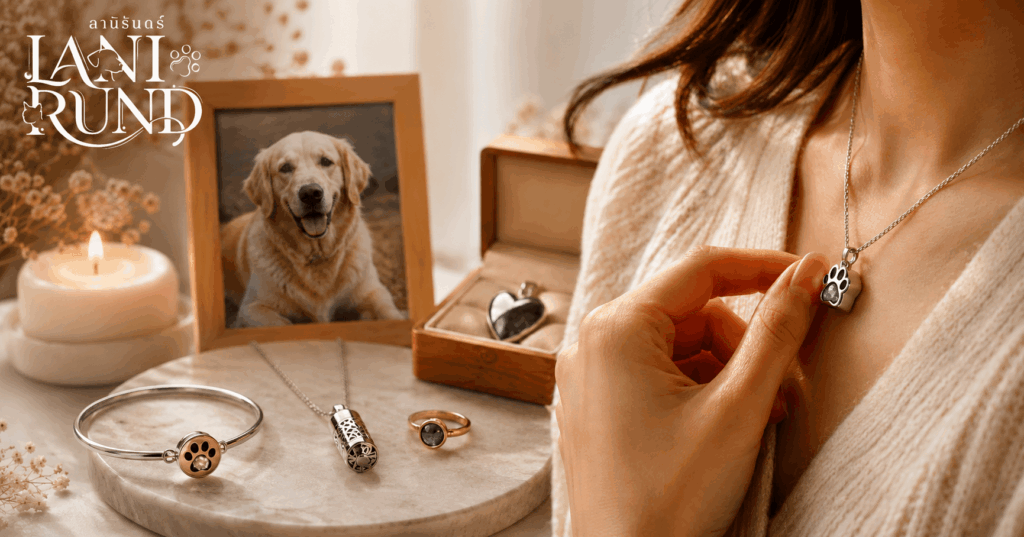
The material used in pet cremation jewelry affects its appearance, durability, comfort, and expected lifespan. Before deciding, consider how frequently the jewelry will be worn, whether the wearer has metal sensitivities, the preferred design style, and the available budget.
| Material | Advantages | Limitations | Best Suited For |
| Stainless steel | Strong, affordable, and relatively easy to maintain | Some designs may be difficult to resize or repair | People who want to wear the jewelry regularly |
| Sterling silver | Classic appearance, easy to engrave, and moderately priced | Can scratch and tarnish and requires periodic care | People who prefer traditional jewelry |
| Gold | Durable, available in several colors, and suitable as an heirloom | Expensive, while gold plating may wear away over time | Long-term memorial jewelry |
| Platinum | Strong, dense, and naturally white | Expensive and heavier than many other metals | Premium memorial jewelry |
| Titanium | Lightweight, strong, and corrosion-resistant | Difficult to resize or reshape | People with active lifestyles |
Sterling silver contains approximately 92.5% silver and is commonly stamped with the number “925.” Pure 24-karat gold is relatively soft, so it is often mixed with other metals to improve its strength for jewelry production.
Gold-plated jewelry may fade or lose its outer layer over time, depending on the thickness of the plating and how the piece is used.
Avoid products that describe the material only as “premium metal,” “gold-colored,” or “silver-colored” without identifying the actual composition. Ask for clear information about the type of metal, hallmarking standards, surface plating, and recommended care.
Which Features Make Cremation Jewelry More Secure?
Cremation jewelry is more than an attractive accessory. It carries the memory of a beloved companion who was once part of the family.
For this reason, the strength of the construction and the process used to place the ashes inside are just as important as the shape, color, and decorative details of the pendant.
How Secure Is the Compartment Closure?
Choose a compartment with a properly fitted threaded screw closure rather than a simple push-in cap. Ask the seller whether jewelry adhesive should be used to seal the opening after the ashes have been placed inside.
Adhesive may provide additional security, but it is important to understand that sealing the compartment may prevent it from being reopened later.
Are the Chain and Clasp Strong Enough?
Even when the pendant is tightly sealed, it can still be lost if the chain or clasp breaks. Check the following:
- The thickness of the chain
- The type of clasp
- The connecting ring between the pendant and chain
- The amount of weight the chain can support
- The strength of each connection point
If the pendant is relatively heavy, choose a stronger chain rather than a thin fashion chain. In many cases, a lobster clasp is more suitable for regular wear.
Why Should You Confirm the Type of Pet Cremation First?
Before placing ashes into pet cremation jewelry, confirm that your pet was cremated according to the arrangement you selected.
The International Association of Pet Cemeteries and Crematories, or IAOPCC, generally distinguishes between several types of cremation, including:
- Private cremation: Only one pet is placed in the cremation chamber, and the ashes are returned to the owner.
- Partitioned cremation: More than one pet may be placed in the chamber, but their positions are separated and recorded.
- Communal cremation: The ashes may become mixed and are generally not returned to individual owners.
When contacting an animal hospital or pet cremation provider, ask whether the service is private, partitioned, or communal. You should also ask about identification systems, supporting documentation, tracking procedures, and the container used to return the ashes.
Do not assess a provider’s credibility solely from an association logo displayed on its website. Confirm that the facility is still an active member of the relevant organization.
How Can You Personalize Memorial Jewelry to Make It More Meaningful?
The most meaningful piece of pet cremation jewelry does not necessarily have to be the most expensive. Its connection to your pet’s story and your shared memories will often matter more than the value of the metal.
Personalization options may include:
- Your pet’s name or nickname
- A birth date, adoption date, or date of passing
- A short message such as “Always by my side”
- A paw print or nose print
- A silhouette of the pet’s breed or species
- A birthstone
- A symbol representing an activity you shared
- The coordinates of a home, park, or favorite place
Think about the first image that comes to mind when you remember your pet. A bone-shaped pendant may suit one dog, while another may be more closely connected to a mountain, tennis ball, beach, leaf, or small star.
Avoid adding so many details that the engraving becomes difficult to read or the design feels overcrowded. A well-designed memorial piece should remain meaningful and wearable even many years later.
Is More Expensive Memorial Jewelry Always Better?
Some people believe that gold or platinum jewelry is automatically more valuable because these materials are durable, can be verified through recognized standards, and may be preserved as family heirlooms.
This viewpoint is reasonable, particularly when the buyer intends to keep the jewelry for several decades and wants it to remain repairable in the future.
However, a higher price does not guarantee that the compartment will be secure, the construction will be strong, or the maker will handle the ashes appropriately.
A well-made stainless-steel pendant with a secure threaded closure may be more suitable for everyday use than an expensive gold-plated piece supplied with a thin chain and weak clasp.
Similarly, a handcrafted resin piece may carry tremendous emotional value, even though it requires more careful maintenance than metal jewelry.
Instead of asking, “Which piece is the most expensive?” consider asking, “Which piece offers the best balance of meaning, durability, security, and long-term usability?”
How Should You Care for Pet Cremation Jewelry?
Always follow the maker’s specific care instructions, as the correct maintenance method will depend on the metal, gemstones, resin, adhesive, and type of seal used in the jewelry.
General care recommendations include:
- Remove the jewelry before showering, swimming, or exercising
- Avoid contact with chemicals and cleaning products
- Apply perfume and lotion before putting on the jewelry
- Avoid ultrasonic or steam cleaning unless the maker confirms that it is safe
- Wipe the jewelry with a soft, lint-free cloth
- Store it separately in a soft-lined box or pouch
- Regularly inspect the clasp, connecting rings, chain, and compartment closure
The Gemological Institute of America, or GIA, notes that chlorine, cleaning products, cosmetics, heat, and certain cleaning methods may damage precious metals or delicate materials.
Avoid opening the ash compartment frequently. If the jewelry needs to be repaired, always tell the jeweler that it is cremation jewelry so the piece can be handled using an appropriate method.
What Should You Remember Before Making Your Final Decision?
Choosing is both an emotional and practical decision. Begin with the memory you want the piece to represent, and then consider the jewelry style, material, compartment, closure, chain, personalization options, and the seller’s policies.
Before using the ashes, confirm the type of cremation and the provider’s identification system. If the ashes must be sent to a jewelry maker, ask how they will be documented, separated, used, returned, and shipped.
The right piece of memorial jewelry does not need to have the most complicated design or the highest price. It should honestly reflect your memories, provide appropriate security, and suit the way you wish to remember and remain connected to your pet.